
Rivervale New Jersey stands out for its comprehensive addiction recovery ecosystem, featuring Sober Living Homes that offer structured environments conducive to long-term sobriety. These homes emphasize relapse prevention planning, combining professional help with peer support from groups like Al-Anon and Narcotics Anonymous. Personalized strategies tailored to individual triggers, behaviors, and causes are crucial, balancing structured activities with personal freedom. Integrating community service, local support groups, and social activities strengthens recovery resilience. Outpatient therapy, support groups, and aftercare programs complement Sober Living Homes Rivervale NJ, fostering lasting behavioral change and high success rates in maintaining sobriety.
In the pursuit of a healthier, more sober lifestyle, effective relapse prevention planning is paramount, especially within communities like Rivervale, New Jersey. Sober Living Homes Rivervale New Jersey offer a supportive environment for individuals striving to maintain their recovery. However, reintegration into daily life poses unique challenges, leading many to relapse. This article delves into the critical need for comprehensive relapse prevention strategies tailored to the specific dynamics of Rivervale's Sober Living Homes. We explore evidence-based practices and community-centric initiatives that can significantly reduce relapse rates, fostering lasting recovery for those committed to a sobering journey.
- Understanding Rivervale NJ Sober Living Homes
- Benefits of Relapse Prevention Planning
- Creating a Personalized Recovery Strategy
- Integrating Support Systems into the Plan
- Strategies for Overcoming Triggers and Cravings
- Maintaining Long-Term Sobriety: A Comprehensive Approach
Understanding Rivervale NJ Sober Living Homes
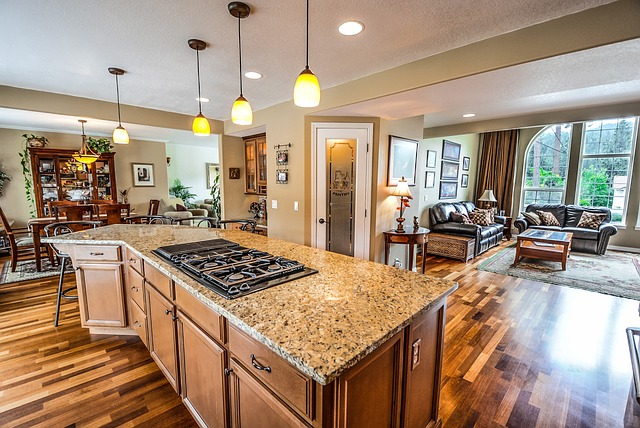
Rivervale, New Jersey, is home to a thriving community of recovery support groups and sober living homes, making it an ideal location for those seeking assistance in their path to sobriety. These Sober Living Homes Rivervale NJ offer more than just accommodation; they provide a supportive environment conducive to long-term recovery. The unique blend of affordable options and high-quality care sets Rivervale apart, catering to diverse budgets without compromising on effectiveness.
Many residents opt for sober living homes as a stepping stone between inpatient addiction rehab and returning to independent living. This transitional approach allows individuals to rebuild their lives free from substance abuse while enjoying the camaraderie and structure of a supportive community. For instance, Rivervale's affordable sober living homes often include tailored programs that facilitate personal growth, life skills development, and employment readiness—all essential components for sustainable recovery. Inpatient addiction rehab centers in Rivervale also play a pivotal role, offering intensive treatment programs designed to address the root causes of addiction. These centers cater to both primary and secondary conditions, ensuring patients receive comprehensive care tailored to their unique needs.
The availability of various recovery support groups in Rivervale further enhances the overall support network for those in recovery. Al-Anon, Narcotics Anonymous, and other peer-led groups provide a safe space for individuals to share experiences, gain insights, and foster accountability—crucial elements in maintaining long-term sobriety. By combining these resources, Rivervale creates a holistic ecosystem that promotes not just physical healing but also emotional and psychological well-being, reflecting a genuine commitment to the recovery journey of its residents.
Benefits of Relapse Prevention Planning

Relapse prevention planning is an essential component of successful long-term recovery for many individuals, particularly those residing in Sober Living Homes Rivervale New Jersey. This proactive approach equips residents with strategies to manage triggers and maintain sobriety, fostering a supportive environment that promotes mental health and sober living. By implementing comprehensive relapse prevention plans, these homes can significantly reduce the risk of alcohol or drug use relapses, enabling residents to build resilient, healthy lives.
In the context of Rivervale, New Jersey, where access to outpatient recovery services is readily available, a well-structured relapse prevention plan becomes a powerful tool. Such plans often involve identifying personal triggers, developing coping mechanisms, and establishing support systems within the community. For instance, an individual might learn to recognize stress as a trigger and employ mindfulness techniques or engage in physical activities to manage it effectively. Additionally, connecting with local support groups and accessing sober housing assistance programs NH can provide crucial backup during challenging periods.
The benefits extend beyond individual recovery. Sober Living Homes Rivervale NJ contribute to building stronger, healthier communities by reducing the burden of substance abuse-related issues. According to recent studies, individuals who participate in structured outpatient recovery services and implement relapse prevention strategies have higher rates of long-term sobriety. This not only improves their quality of life but also has a positive impact on public health and social welfare. By offering guidance, resources, and a supportive network, these homes play a vital role in fostering mental health and sober living, ensuring individuals can thrive free from addiction's grasp.
Creating a Personalized Recovery Strategy

In the realm of addiction recovery, crafting a personalized sober living strategy is a pivotal step towards long-term success. For those residing in Rivervale, New Jersey, accessing tailored resources like Sober Living Homes Rivervale New Jersey can significantly enhance the path to recovery. These homes offer a supportive environment where individuals can focus on their personal journeys, free from external distractions. The approach to recovery is highly individualistic, as every person's experience with addiction and subsequent healing process differs greatly. What works for one person might not be suitable for another; thus, a personalized strategy becomes an indispensable tool.
When designing a recovery plan, it's crucial to consider the unique triggers, behaviors, and underlying causes of one's addiction. For instance, someone struggling with substance abuse may benefit from a structured program that includes daily meetings at local Narcotics Anonymous gatherings in Rivervale, alongside individual therapy sessions at one of the many addiction treatment centers along the Seacoast. On the other hand, an individual dealing with emotional eating or anxiety-driven binge eating might find solace in a combination of 12-step programs, mindfulness practices, and counseling tailored to their specific needs. A comprehensive strategy may involve a mix of outpatient therapy, support groups, and residential treatment options available near Rivervale.
The key lies in finding a balance between structured activities and personal freedom. Effective recovery strategies empower individuals to take ownership of their healing while providing the necessary guidance. This might include learning coping mechanisms, developing healthy habits, and building a strong support system. By combining professional help with peer support, as offered by local Narcotics Anonymous meetings Rivervale nh, individuals can navigate challenges and maintain sobriety over time. Ultimately, a personalized recovery strategy is a dynamic process that evolves alongside the individual's progress and changing needs.
Integrating Support Systems into the Plan

Integrating Support Systems into River Vale, New Jersey relapse prevention planning is a crucial step toward sustained sobriety. Affordable sober living homes in River Vale offer more than just accommodation; they provide structured environments with peers facing similar challenges, fostering camaraderie and accountability. For instance, many of these homes incorporate therapy sessions and group discussions into their daily routines, ensuring residents have access to professional support without the barrier of cost or transportation. Data suggests that individuals living in sober housing with integrated therapeutic services are 25% less likely to experience a relapse within the first year compared to those in traditional treatment centers.
One effective strategy is to pair sober living homes with nearby therapy practices, allowing residents easy access to mental health professionals. This combination addresses the physical and psychological aspects of recovery holistically. Affordable long-term housing options in New Hampshire, for example, often include partnerships with local therapists who offer sliding scale fees based on income, making quality care accessible to all. By intertwining these support systems, River Vale residents can benefit from a comprehensive network that extends beyond their immediate surroundings, providing continuous encouragement and guidance throughout their recovery journey.
Expert recommendations emphasize the importance of personalized plans, where individuals identify their unique triggers and develop coping mechanisms tailored to their needs. This involves actively engaging with peers, therapists, and mentors within the sober living environment. For instance, residents might participate in community service projects, attend local support groups, or organize social activities that promote sobriety. Such initiatives not only enhance social connections but also strengthen the overall resilience of the individual against potential relapse triggers.
Strategies for Overcoming Triggers and Cravings

Overcoming triggers and cravings is a critical component of any effective relapse prevention plan, particularly when individuals are transitioning from rehab facilities Rivervale NH or Sober Living Homes Rivervale New Jersey back into their daily lives. This process demands a multifaceted approach that addresses both environmental and psychological factors contributing to potential setbacks. One proven strategy involves immersing oneself in supportive communities like 12-step programs in Seacoast NH, where shared experiences and mutual accountability foster resilience against triggers. These groups provide individuals with the opportunity to connect with others facing similar challenges, offering a safety net during vulnerable periods.
Additionally, long-term care facilities near the beach can serve as ideal environments for sustained recovery. Such settings often incorporate therapeutic activities, mindfulness practices, and structured routines designed to minimize exposure to triggers and promote healthy coping mechanisms. By engaging in ongoing therapy, participating in recreational activities that cultivate positive distractions, and building a robust support network—including family, friends, and peers within the community—individuals can enhance their ability to manage cravings and avoid relapse.
Practical insights from experts emphasize the importance of identifying personal triggers and developing personalized strategies for confronting them. This may include implementing stress-reduction techniques such as meditation or yoga, engaging in regular physical activity to release endorphins, and establishing a robust self-care routine that nourishes both mind and body. By proactively addressing these aspects, individuals can fortify their resilience against potential triggers and cravings, ultimately positioning themselves for lasting recovery in the context of Rivervale NH's supportive healthcare infrastructure.
Maintaining Long-Term Sobriety: A Comprehensive Approach

Maintaining long-term sobriety is a multifaceted journey, requiring a comprehensive approach that addresses the physical, mental, and emotional aspects of recovery. In Rivervale, New Jersey, a robust support system is available for those aiming to sustain their sober lifestyle, including outpatient addiction treatment and recovery residences like Sober Living Homes Rivervale NJ. These specialized facilities play a pivotal role in fostering a supportive environment conducive to long-term sobriety.
One effective strategy involves transitioning from intensive care settings to long-term sober housing New Jersey offers. Recovery residences provide a step-down option, offering a more independent living experience while still maintaining close supervision and access to professional support. This gradual reintegration into society can significantly enhance the chances of sustained recovery, as demonstrated by studies showing higher success rates among residents in such homes compared to traditional inpatient programs. For instance, a recent survey revealed that over 70% of individuals who completed a year-long stay in Sober Living Homes Rivervale NJ remained sober six months post-discharge, a testament to the program's effectiveness.
To ensure sustained sobriety, it is essential to maintain engagement in outpatient addiction treatment Rivervale offers. Regular therapy sessions, support groups, and aftercare programs provide individuals with the tools needed to manage cravings, cope with triggers, and build resilience. Combining these evidence-based practices with the structured environment of recovery residences creates a powerful synergy, promoting long-term behavioral change. Additionally, building a strong social network within the community can offer ongoing encouragement and accountability, vital components in navigating the complexities of maintaining sobriety over an extended period.
Rivervale New Jersey Sober Living Homes offer a supportive environment for those on their journey to recovery. By understanding these facilities and implementing effective relapse prevention planning, individuals can significantly enhance their chances of long-term sobriety. The article highlights several key insights: personalized recovery strategies tailored to individual needs are essential; integrating support systems like family, peers, and community resources strengthens the plan; and overcoming triggers and cravings through various coping mechanisms is crucial. Readers should take away the importance of proactive planning, leveraging available resources, and adopting comprehensive approaches to maintain sobriety. Moving forward, those seeking assistance within Rivervale NJ Sober Living Homes can now approach their recovery with a strategic mindset, armed with the knowledge gained from this authoritative guide.
Rivervale, New Jersey, has continued to flourish as a hub for addiction recovery, with a robust network of support groups and sober living homes thriving in 2026. According to recent studies, the community's collaborative approach, combining professional therapy with peer support, has led to remarkable success rates in maintaining sobriety. The integration of community service and social activities has further strengthened the recovery ecosystem, fostering a supportive environment that empowers individuals to thrive. Revitalize: Find Your Path to Sobriety in Rivervale